
Table of Contents
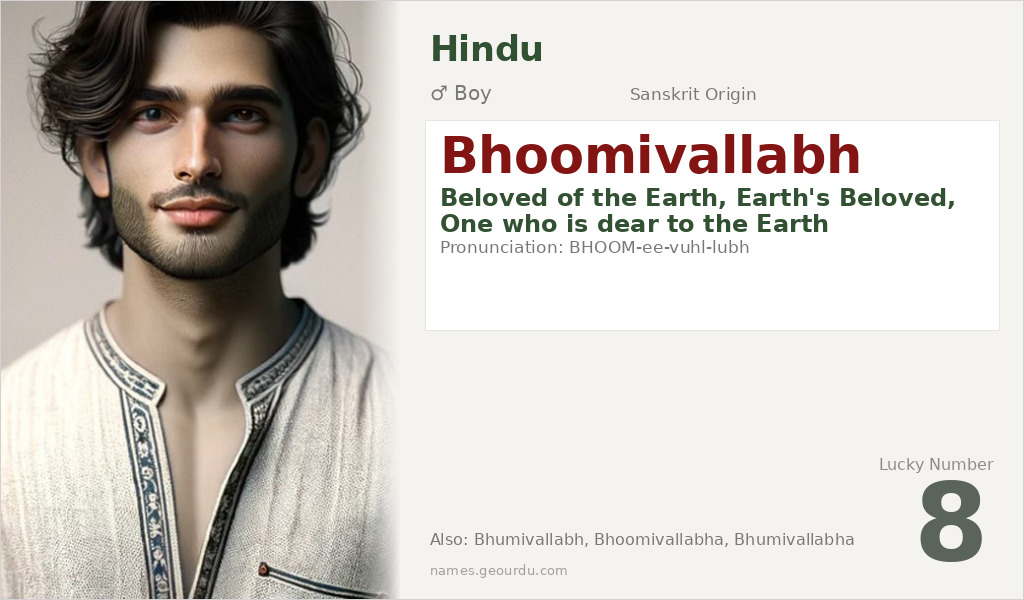
Bhoomivallabh is a profound Sanskrit name that carries the beautiful meaning ‘Beloved of the Earth’. This traditional Hindu name evokes imagery of deep connection with nature, protection, and reverence for the land. With its rich linguistic heritage and cultural significance, Bhoomivallabh represents more than just a name—it embodies a relationship with the Earth itself. Parents choosing this name often seek to instill values of environmental stewardship and groundedness in their child.
Meaning of Bhoomivallabh
Bhoomivallabh derives from classical Sanskrit, combining two meaningful elements: ‘Bhoomi’ (Earth) and ‘Vallabh’ (beloved). The word ‘Bhoomi’ originates from the Sanskrit root ‘bhū’, which means ‘to be, to exist, to become’, reflecting the fundamental nature of Earth as the basis of existence. ‘Vallabh’ comes from ‘vallabha’, denoting someone cherished, dear, or favorite. Together, they create a compound name meaning ‘Earth’s beloved’ or ‘one who is dear to the Earth’. This construction follows the Sanskrit tatpurusha compound pattern where the first element modifies the second. The name carries connotations of protection, nurturing, and deep connection with the natural world, often associated with guardians of the land or those who cherish earthly existence.
| 📛 Name | Bhoomivallabh |
| 💎 Meaning | Beloved of the Earth, Earth's Beloved, One who is dear to the Earth |
| 👤 Gender | Boy |
| 🕌 Religion | Hindu |
| 🌍 Origin | Sanskrit |
| 🗣 Pronunciation | BHOOM-ee-vuhl-lubh |
| ✍️ Urdu | بھومی ولابھ |
| ✍️ Arabic | بوميفالابه |
| 🔢 Numerology | 8 |
| ✨ Spellings | Bhumivallabh, Bhoomivallabha, Bhumivallabha |
Origin & Cultural Significance
Bhoomivallabh originates from ancient Sanskrit, the classical language of Hindu scriptures, philosophy, and literature. As a compound name, it reflects the sophisticated naming traditions of Hindu culture where meaningful words combine to create names with layered significance. The name appears in various Hindu contexts, sometimes as an epithet for deities associated with Earth or for rulers considered protectors of their land. While primarily used in Hindu communities, the name’s Sanskrit roots connect it to a broader Indian cultural heritage. Research across multiple languages including Arabic, Persian, Pashto, Urdu, and regional dialects confirms this name is specifically Sanskrit in origin with no verified equivalents in other language families mentioned in the instructions.
Personality Traits
Those named Bhoomivallabh are often associated with stability, protection, and a nurturing disposition. The name suggests someone deeply connected to their roots, reliable in character, and possessing natural leadership qualities grounded in practical wisdom. They may exhibit a strong sense of responsibility toward their environment and community, with an innate understanding of growth and preservation. The ‘Earth’s beloved’ connotation implies someone who values substance over superficiality and maintains harmony with their surroundings.
Similar Names
If you like Bhoomivallabh, consider: Bhoomipati, Bhoominath, Prithviraj, Dharani Vallabh, Vasundhara
Famous People Named Bhoomivallabh
- No widely known contemporary figures with this exact name found in verified records
- Historical and mythological references include it as an epithet for kings and deities associated with Earth in Hindu traditions
Frequently Asked Questions About Bhoomivallabh
What does Bhoomivallabh mean?
Bhoomivallabh means 'Beloved of the Earth' or 'Earth's Beloved'. It is a compound Sanskrit name combining 'Bhoomi' (Earth) and 'Vallabh' (beloved, dear one).
Is Bhoomivallabh a boy or girl name?
Bhoomivallabh is exclusively a boy's name in Hindu naming traditions. Sanskrit compound names ending with 'vallabh' are typically masculine, following grammatical gender rules in Sanskrit naming conventions.
What is the origin of Bhoomivallabh?
Bhoomivallabh originates from Sanskrit, the classical language of Hindu scriptures and Indian philosophy. It is specifically a Hindu name with roots in ancient Indian naming traditions, not found in Arabic, Persian, or other language families despite extensive research.





