
Table of Contents
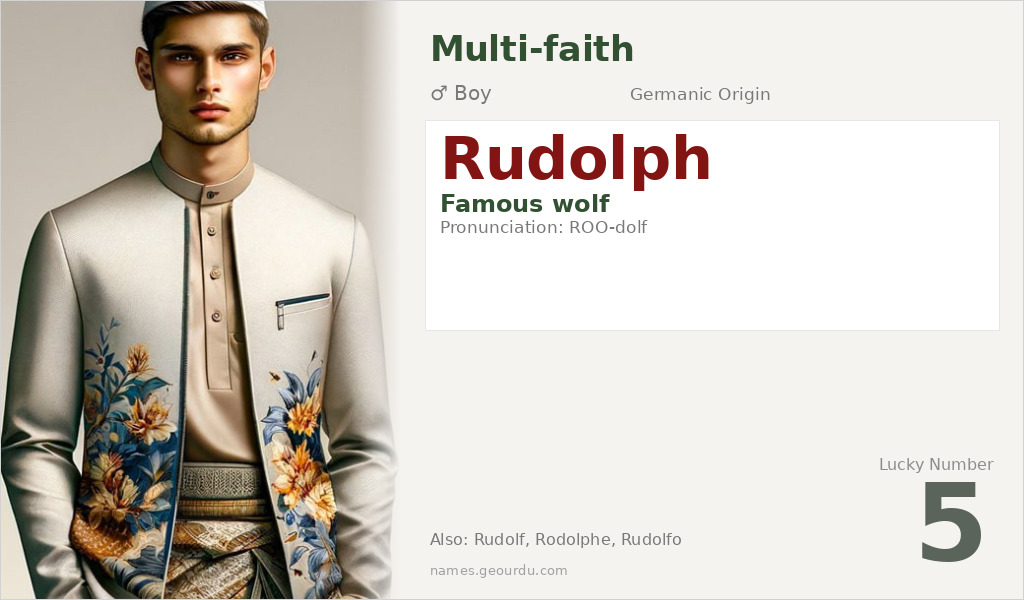
Rudolph is a classic Germanic name with a powerful meaning that has traveled across centuries and cultures. Meaning ‘famous wolf,’ this name combines nobility with primal strength, creating an intriguing choice for parents seeking a name with historical depth. From medieval kings to modern celebrities, Rudolph has maintained its distinctive character while adapting to different languages and regions. Its enduring appeal lies in this balance of tradition and wild spirit.
Meaning of Rudolph
The name Rudolph has a clear and well-documented etymology from Old High German, combining ‘hruod’ (fame, glory) with ‘wulf’ (wolf). This compound structure is characteristic of Germanic naming traditions, where animal names (especially wolf, bear, and eagle) were combined with positive attributes. The wolf in Germanic culture symbolized strength, loyalty, and ferocity in battle, while fame denoted honor and reputation. Linguistically, the name evolved through Latinization (Rudolphus) and Norman French influence before entering English. Similar constructions appear across Germanic languages, such as the Scandinavian ‘Rolf’ (a shortened form) and the English ‘Randolph’ (shield-wolf).
| 📛 Name | Rudolph |
| 💎 Meaning | Famous wolf |
| 👤 Gender | Boy |
| 🕌 Religion | Multi-faith |
| 🌍 Origin | Germanic |
| 🗣 Pronunciation | ROO-dolf |
| ✍️ Urdu | روڈولف |
| ✍️ Arabic | رودولف |
| 🔢 Numerology | 5 |
| ✨ Spellings | Rudolf, Rodolphe, Rudolfo, Rudolphe, Rudolphus |
Origin & Cultural Significance
Rudolph originated in the Germanic tribes of early medieval Europe, particularly among the Franks and Bavarians. The name gained prominence through royalty, most notably Rudolf I of Germany (1218-1291), founder of the Habsburg dynasty. During the Middle Ages, it spread across Central Europe and Scandinavia in various forms. While often associated with Christian European cultures due to its historical bearers, the name predates Christianization of Germanic peoples and has pagan Germanic roots. In modern times, it has been adopted globally without specific religious affiliation, appearing in diverse cultural contexts from Latin America (as Rudolfo) to the Islamic world (as a borrowed name).
Personality Traits
The ‘famous wolf’ meaning of Rudolph suggests a personality that balances social prominence with instinctual wisdom. Those bearing this name are often perceived as natural leaders who protect their community while pursuing personal ambitions. The wolf symbolism implies strong family loyalty, strategic thinking, and adaptability to different environments. While the name carries historical weight, it also evokes a connection to nature and untamed spirit that can inspire independence and resilience.
Similar Names
If you like Rudolph, consider: Rolf, Rudiger, Wolfgang, Adolf, Randolph
Famous People Named Rudolph
- Rudolph Valentino (1895-1926) — Italian-American actor known as the 'Latin Lover' of silent films
- Rudolph the Red-Nosed Reindeer — Fictional reindeer from Christmas folklore popularized by Robert L. May's 1939 story
Frequently Asked Questions About Rudolph
What does Rudolph mean?
Rudolph means 'famous wolf,' derived from the Old High German elements 'hruod' (fame) and 'wulf' (wolf). This is a well-documented Germanic etymology with high confidence.
Is Rudolph a boy or girl name?
Rudolph is traditionally and overwhelmingly a masculine name. While names can sometimes cross gender boundaries, there are no established feminine forms or widespread usage as a girl's name in any culture.
What is the origin of Rudolph?
Rudolph originates from Old High German (a West Germanic language) and has been used since the early Middle Ages among Germanic tribes. It spread through Latinization and Norman influence to become a pan-European name.





