
Table of Contents
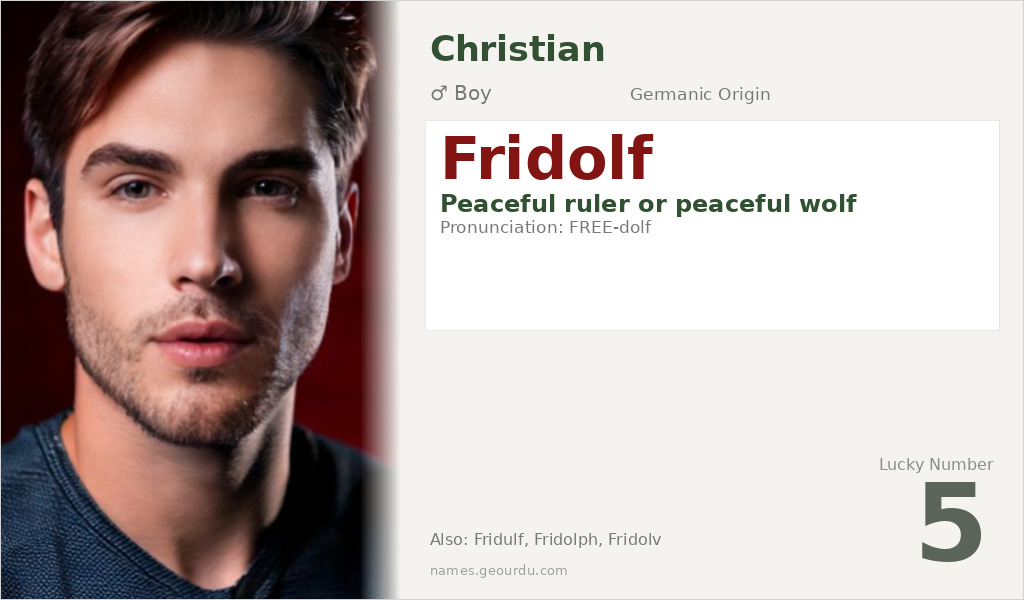
Fridolf is a distinctive Germanic name with centuries of history, combining elements that speak to both peace and strength. This masculine name carries the weight of ancient Germanic naming traditions while remaining recognizable in modern contexts. With its compound structure of ‘fridu’ (peace) and ‘wulf’ (wolf), Fridolf represents an intriguing balance of qualities that has appealed to parents across generations. Let’s explore the rich etymology and cultural journey of this unique name.
Meaning of Fridolf
The name Fridolf derives from Old High German, specifically from the elements ‘fridu’ meaning ‘peace, protection, safety’ and ‘wulf’ meaning ‘wolf’. In Germanic naming conventions, animal names like ‘wolf’ were not meant literally but symbolically—representing strength, courage, and protective qualities. The combination creates a meaning that can be interpreted as ‘peaceful wolf’ or more broadly as ‘peaceful ruler/protector’. This naming pattern was common among Germanic tribes, where compound names conveyed desirable traits or familial heritage. The name appears in various forms across Germanic languages, including Old Norse ‘Fríðulfr’ and modern Scandinavian ‘Fridolf’. The ‘wolf’ element should be understood in its historical context as a positive symbol of guardianship rather than aggression.
| 📛 Name | Fridolf |
| 💎 Meaning | Peaceful ruler or peaceful wolf |
| 👤 Gender | Boy |
| 🕌 Religion | Christian |
| 🌍 Origin | Germanic |
| 🗣 Pronunciation | FREE-dolf |
| ✍️ Urdu | فریڈولف |
| ✍️ Arabic | فريدولف |
| 🔢 Numerology | 5 |
| ✨ Spellings | Fridulf, Fridolph, Fridolv, Fridolfr |
Origin & Cultural Significance
Fridolf originated among Germanic-speaking peoples during the early medieval period, particularly in regions that would become Germany, Scandinavia, and parts of Central Europe. As Christianity spread through these areas, many traditional Germanic names like Fridolf were adopted by Christian communities, though the name itself predates Christian influence in the region. The name appears in historical records from the Viking Age and medieval Germany, though it has never been among the most common Germanic names. In modern times, Fridolf has been most consistently used in Scandinavian countries, particularly Sweden, where it maintains a traditional but uncommon status. The name represents the enduring legacy of Germanic compound names that combine abstract virtues with powerful natural symbols.
Personality Traits
The dual meaning of Fridolf suggests a personality that harmonizes seemingly opposite qualities. The ‘peace’ element indicates someone who values harmony, diplomacy, and calm resolution of conflicts, while the ‘wolf’ element suggests protective instincts, loyalty to family or community, and inner strength. This combination often results in individuals who are peacemakers but not pushovers—people who can negotiate effectively while maintaining firm boundaries. The historical Germanic context adds layers of traditional values, leadership potential, and connection to cultural heritage.
Similar Names
If you like Fridolf, consider: Adolf, Rudolf, Wolfgang, Frederick, Fridtjof
Famous People Named Fridolf
- Fridolf Rhudin — Swedish silent film actor and comedian (1895-1935)
- Fridolf Johnson — American graphic designer and typographer (1904-1988)
Frequently Asked Questions About Fridolf
What does Fridolf mean?
Fridolf means 'peaceful ruler' or 'peaceful wolf', originating from Old High German elements 'fridu' (peace) and 'wulf' (wolf).
Is Fridolf a boy or girl name?
Fridolf is exclusively a masculine name with Germanic origins and has historically been used only for boys.
What is the origin of Fridolf?
Fridolf originates from Germanic languages, specifically Old High German, and has been used in German and Scandinavian naming traditions for centuries.





