
Table of Contents
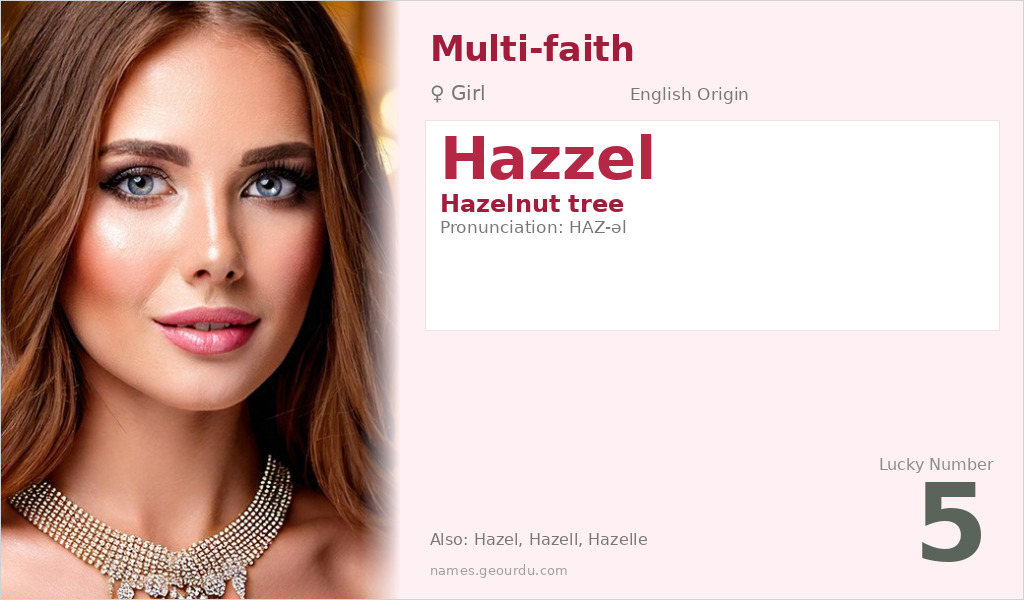
Hazzel is a charming nature-inspired name that evokes images of the graceful hazelnut tree. With its roots in Old English, this name has gained popularity across various cultures and faiths as a beautiful choice for girls. The name’s connection to nature gives it a timeless quality that appeals to parents seeking meaningful, earthy names. Whether spelled as Hazzel, Hazel, or other variations, this name carries a gentle strength and natural elegance.
Meaning of Hazzel
Hazzel derives from the Old English word ‘hæsel,’ which specifically refers to the hazelnut tree. This places it within the rich tradition of English names that draw inspiration from the natural world, similar to names like Ash, Rowan, or Laurel. The hazel tree itself has significant cultural symbolism across European traditions, often associated with wisdom, protection, and poetic inspiration. In Celtic mythology, hazel trees were considered sacred and their nuts were believed to impart wisdom. The name transitioned from being primarily a surname referencing someone who lived near hazel trees to becoming a popular given name in the 19th and 20th centuries. Today, it represents both a connection to nature and a classic, enduring naming choice.
| 📛 Name | Hazzel |
| 💎 Meaning | Hazelnut tree |
| 👤 Gender | Girl |
| 🕌 Religion | Multi-faith |
| 🌍 Origin | English |
| 🗣 Pronunciation | HAZ-əl |
| ✍️ Urdu | ہیزل |
| ✍️ Arabic | هازل |
| 🔢 Numerology | 5 |
| ✨ Spellings | Hazel, Hazell, Hazelle, Hazal |
Origin & Cultural Significance
Hazzel originates from England, with its linguistic roots firmly planted in Old English vocabulary. The name emerged during the Victorian era when nature-inspired names became fashionable, alongside other botanical names like Violet, Rose, and Lily. While particularly popular in English-speaking countries, the name has spread globally and is used by people of various religious backgrounds including Christian, Muslim, Hindu, and secular families. The name’s international appeal comes from its pleasant sound, natural meaning, and adaptability across cultures. Unlike names with specific religious origins, Hazzel’s botanical foundation makes it accessible and meaningful to diverse communities worldwide.
Personality Traits
Those named Hazzel are often perceived as having qualities associated with their namesake tree—grounded yet flexible, protective yet nurturing. They may exhibit a natural curiosity and adaptability, much like the hazel tree that thrives in various environments. The name suggests someone who is both practical and imaginative, able to provide stability while embracing growth and change. These personality associations, while not scientifically determined, reflect how names can shape perceptions and self-expression across cultures.
Similar Names
If you like Hazzel, consider: Hazel, Heather, Holly, Ivy, Willow
Famous People Named Hazzel
- Hazel Scott (1920-1981) — American jazz and classical pianist and singer
- Hazel Keech (born 1987) — British actress and dancer based in India
Frequently Asked Questions About Hazzel
What does Hazzel mean?
Hazzel means 'hazelnut tree' and originates from the Old English word 'hæsel.' It is a nature-inspired name that references the hazel tree, which has symbolic associations with wisdom and protection in various European traditions.
Is Hazzel a boy or girl name?
Hazzel is primarily used as a girl's name in contemporary naming practices. While historically it could be used for both genders as a surname, as a given name it is almost exclusively feminine in modern usage across English-speaking cultures.
What is the origin of Hazzel?
Hazzel originates from England with roots in Old English. It is a variant spelling of the name Hazel, which comes from the Old English word for the hazelnut tree. The name belongs to the category of English botanical names that became popular during the Victorian era.





